
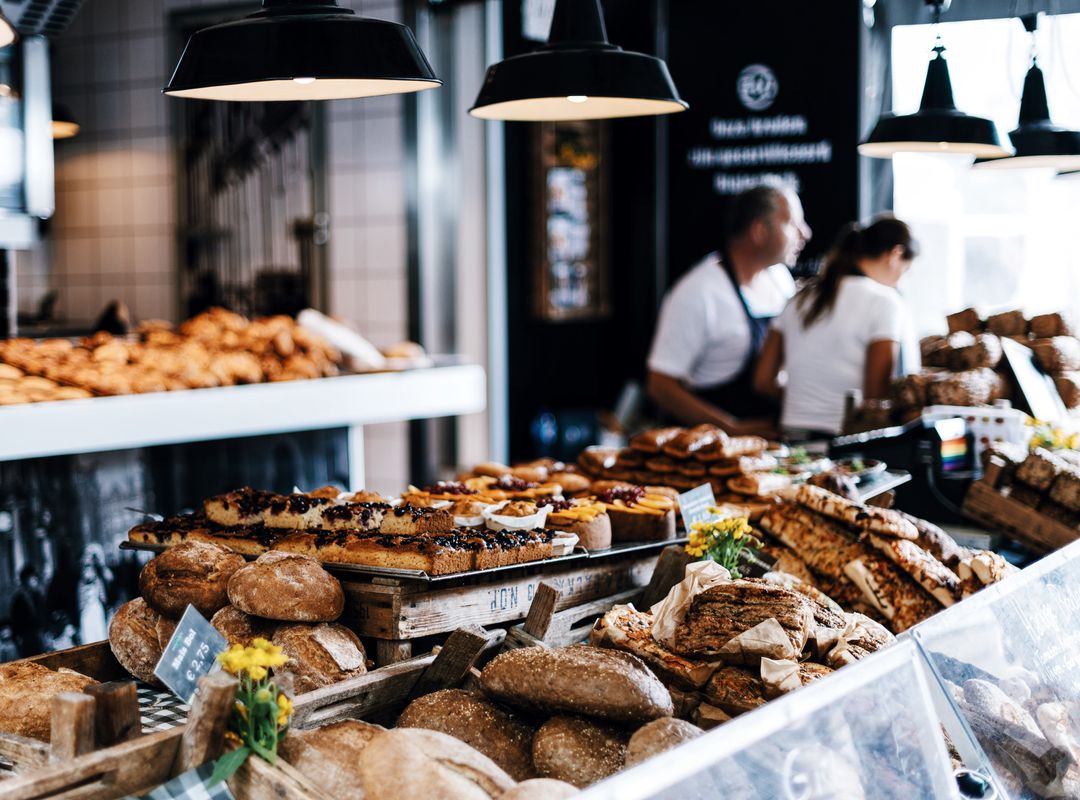
Fresh pastries do not seem complicated on the counter, but powerful consistency cannot be a coincidence. Restaurants require the same colour, texture, and taste every day, even when the staff changes, demand fluctuates, and mornings are demanding. That is why intelligent pastry teams establish clear systems rather than relying on memory or luck.
A kitchen begins with verified ingredients and purchasing criteria when striving to achieve credible results. Most teams have been collaborating with reputable flour wholesalers, as consistent raw materials enable wholesale flour to be mixed with much greater accuracy on a daily basis. The initial step justifies all subsequent decisions during the process, including mixing and proofing, baking, and serving. These are some of the ways in which restaurants maintain fresh pastries:
1. They Standardise All Recipes
Restaurants keep pastries consistent by using recipes written with precise weights, times, and temperatures. Pastry chefs, to be good, do not allow themselves to guess, as a tiny bit of butter, water, or resting time can yield a different result in the end. Pastry making becomes a factor and a study that any trained baker can repeat, as they have a standard recipe to follow.
2. They Train Staff to Follow One Method
A written recipe would assist, yet different results would still be obtained, as each baker would apply a different procedure. Great restaurants train a single mixing order, a single rolling style, a single folding pattern, and a single finishing pattern to ensure the team operates similarly. This eliminates confusion and helps new employees get up to speed with that standard more quickly.
3. They Control Dough Temperature at Every Stage
Pastry responds quickly to heat; therefore, temperature is important from mixing the pastry through the last bake. Excessive warmth causes the butter to soften prematurely, leading to dough stratification and a pastry that fails to maintain its lightness and brittle crust. Meticulous kitchens check the room and dough temperatures, and the fridge space, daily to preserve structure and texture.
4. They Use Shift Checklists to Minimise Mistakes
Small jobs may be forced to the back wall by busy service, and the smallest omissions can lead to the largest quality issues in the future. Restaurants can avoid this by issuing a brief checklist for each shift that covers prep, proofing, baking, storage, and display. Such a list is just a list on which one can see the standards as the kitchen becomes hectic and hurried.
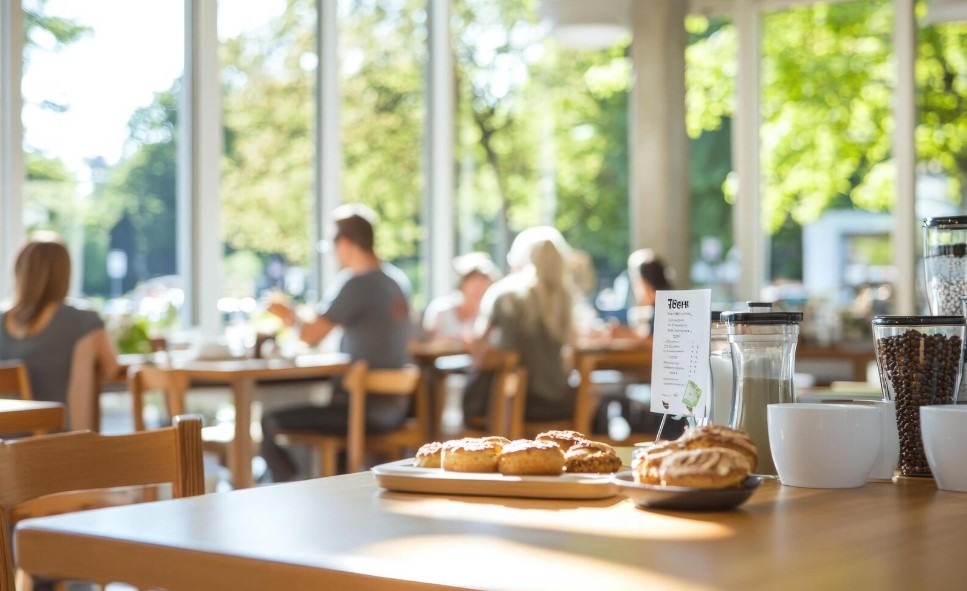
A helpful pastry checklist can consist of:
- Combining all ingredients by weight.
- Labelling trays with time and batch.
- Monitoring the heat of the oven with a thermometer.
- Turnover of stock position such that old ones are brought out first.
5. They Use Timed Proofing Instead of Guesswork
The size, texture, and lightness of a great number of pastries are altered by proofing, and it is dangerous to make any judgment. Consistent restaurants establish a time for proofing, monitor humidity, levels, and rely on non-visual cues like height and wobble rather than making an intuitive call. This will provide the team with a clear baking point and prevent trays from going into the oven that are under- or over-proofed.
6. They Bake in Small, Planned Batches
Even though fresh pastries may look appealing, leaving them too long will cause them to lose their optimal texture. Many restaurants can prevent it by baking in batches throughout the day, rather than filling the entire counter at once in the early morning. This maintains fresher products, reduces waste, and offers customers a better pastry across multiple service periods.
7. They Protect Quality After Baking
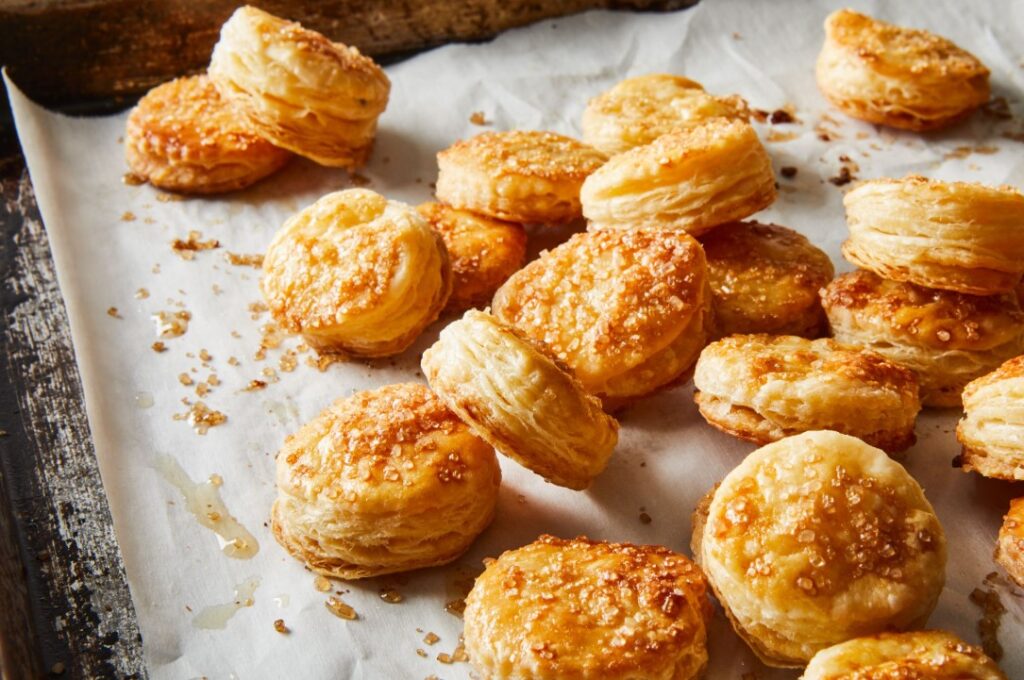
The end of consistency does not occur when the pastries are out of the oven, since final consumption can change due to cooling, holding, and display. A tray of steam can tender some of the crunchy layers, and dry air can turn the frail fillings out of favour. Good restaurants have schedules for cooling, proper rack use, and display methods, depending on the type of pastry.
8. They Keep Ingredients Stable Across Deliveries
Even an ideal approach may not work when the ingredients vary significantly from delivery to delivery. Smart restaurants check the butterfat level, the performance of their flour, the ripeness of fruits, and the quality of their chocolate, so that when the team starts halfway through its preparation, they do not make an unexpected discovery. Chefs react to early changes when product variations occur, rather than letting failures reach customers.
9. They Taste, Score, and Record Results Daily
Excellent pastry teams do not reason that a good company is good today because it was even good yesterday. They sample products, look the part, document flaws, and make notes, rather than taking notes. This way, patterns become apparent over time. Such daily checklists help the manager notice problems with ovens, proofing, ingredients, or even employees’ habits before they become frequent complaints.
10. They Match Production to Real Demand
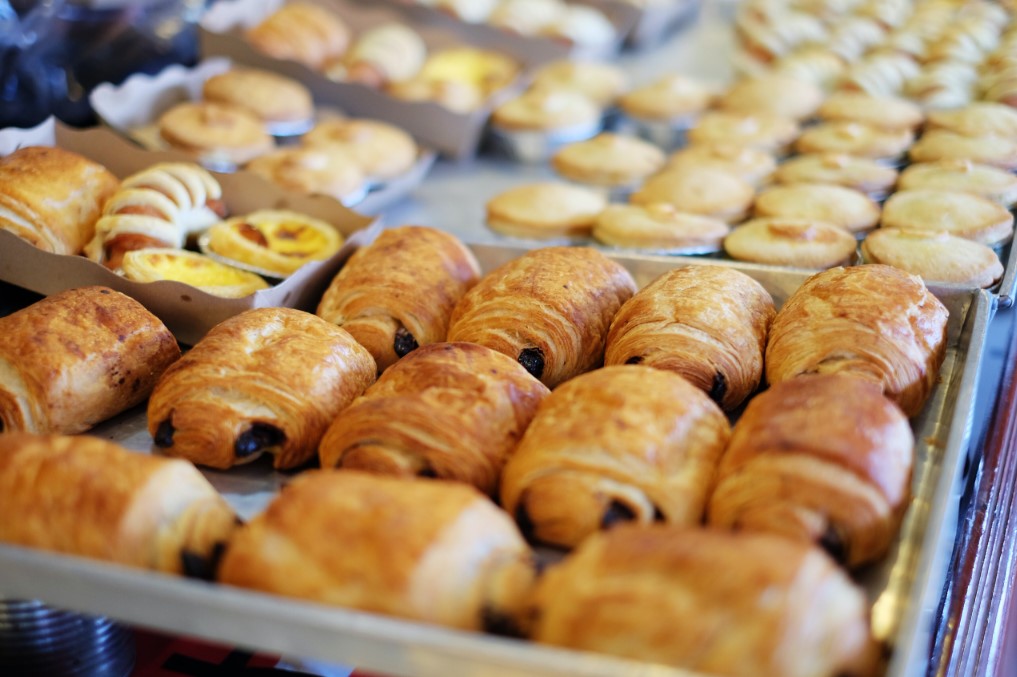
Freshness is compromised by overproduction, as cookies kept out of the refrigerator tend to lose their preferred quality. Restaurants safeguard consistency by learning sales trends, weather variation, local happenings, and peak service times, and then determine what to bake and the right time to bake it. Better planning will allow the kitchen to cater to pastries in smaller quantities, keeping them at their optimum conditions rather than selling off old stock.
In conclusion, to maintain the freshness of pastries, restaurants operate their systems with quality, not by happy coincidence. They use excellent recipes, trained employees, proper timing and temperature, and daily checks to maintain the same standard from batch to batch. The support of one small discipline to another makes the end pastry reliable and refined.
This is important because guests can detect consistency more quickly than chefs think. A croissant that seemed crisp today, and flat the following day, undermines confidence, despite having what appears to be a palatable flavour. Customers are assured of returning when restaurants remain stable and referring others to the restaurant.
Finally, the consistency of pastry is achieved through careful reiteration of the appropriate habits. By managing details, restaurants can deliver pastries that are aesthetically pleasing, balanced in flavour, and offer a mile-like experience each time. It is that consistent experience that makes a good pastry counter memorable.